

Travelling along the path carved by the biased and self-righteous society, we are not unfamiliar with one of the hypocritic statements,
"Don't judge a book by its cover."
The statement has its share of truth, it sounds unfair to draw any opinion or judgment on a situation without acknowledging the whole picture.
But surprise, surprise!!
We have our judgy 'padoshwali' aunty, know-it-all 'ristedaars' and future-predicting parents.
Of course, the real world doesn't work that way.
It has taken the saying as only a 'saying' literally. The world does judge the book by its cover. We all do consciously or not. Falsely accusing an innocent as a pickpocket in public just from the face and even predicting the reaction of a random person, at times it's to the point, and sometimes not.
It's an art. It's the art of judging the present with previously known patterns while our brain has a high affinity for patterns. It keeps evolving and adjusting to new scenarios with the previously known patterns.
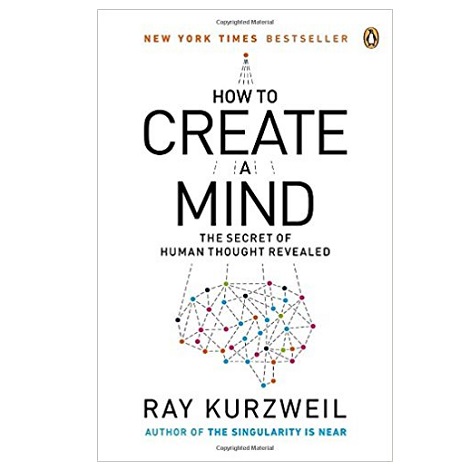
There exists a particular layer in the brain that is responsible for recognizing patterns called the Neocortex.

- Amrita Bedashree

👏keep it up dear...💕
ReplyDeleteBeautifully expressed 🙌
ReplyDeleteAmazing 👏
ReplyDeleteWell written !
ReplyDelete